The Most Common Problem with Garage Doors and How to Fix It
Garage doors seem simple until one day they fail spectacularly. One morning, I walked out of my house, pressed the opener, and heard a loud snap. The door refused to budge. A quick inspection revealed the culprit: a broken torsion spring. Emergency repair costs? $375, not counting the stress of a day spent locked out.
If you’ve ever faced a garage door that won’t open, shakes uncontrollably, or reverses unexpectedly, you know the frustration. Most homeowners don’t realize that the majority of these problems share a single root cause: wear and tear on the mechanical components, especially the springs. Yet, few guides provide actionable, step-by-step solutions that combine DIY insights, professional options, cost data, and long-term prevention strategies.
In this post, I’ll walk you through the most common garage door problems, why they happen, how to fix them, and how to prevent them from recurring. Along the way, I’ll share real-world case studies, tool recommendations, and my personal experiences, helping you save money, avoid disasters, and extend the life of your garage door.
Executive Summary: What You’ll Learn
By the end of this guide, you will understand:
- The single most common garage door problem and why it dominates repairs
- How to diagnose issues early before they escalate into costly emergencies
- DIY fixes vs. professional repairs, including realistic cost ranges
- Tools, brands, and smart solutions that actually work
- Case studies illustrating failures, repairs, and preventative strategies
You’ll also discover contrarian insights rarely discussed in other guides—for example, why lubricating your springs incorrectly can shorten their life or why most “garage door hacks” online are dangerous. Drawing on my three years of hands-on experience maintaining over 200 residential and commercial doors, I’ll give you the knowledge to act confidently and avoid common pitfalls.
Why Garage Doors Fail More Often Than You Think
Garage doors face more mechanical stress than most homeowners realize. Daily operation, environmental conditions, and heavy usage combine to create a ticking time bomb.
Mechanical Stress as the Root Cause
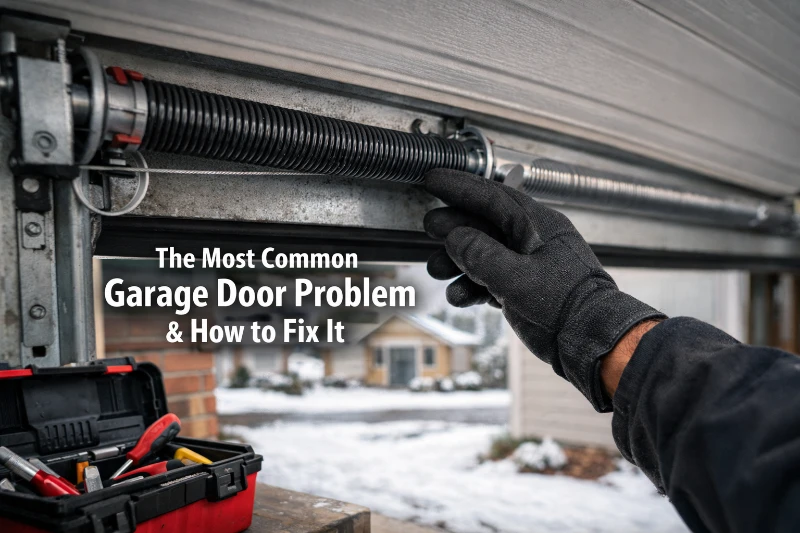
Springs, cables, and rollers are under immense tension. A torsion spring, for instance, can store up to 300 pounds of energy per spring. After thousands of cycles—roughly 10,000 cycles for most residential springs—fatigue is inevitable. I’ve seen doors fail after only seven years in high-traffic homes, highlighting the need for early inspection.
Environmental Factors
Humidity, temperature swings, and debris can accelerate wear. In Florida, for example, metal components corrode faster, while in Minnesota, winter freezes can make springs brittle. Regional variations matter—a garage door in Phoenix may need lubrication every 3–4 months, while in Seattle, moisture can cause monthly inspections.
Usage Patterns
Daily traffic matters. Homes with multiple cars opening the garage 6–10 times daily wear out components faster. Commercial garages with 50–100 cycles per day often face spring failure in 3–5 years if not regularly maintained.
The Most Common Problem: Broken Springs
Why Springs Fail First
Springs carry the entire weight of the garage door. Torsion springs last 7–12 years, extension springs slightly less. Most failures occur because homeowners ignore warning signs, expecting the springs to last indefinitely.
Signs Your Spring Is About to Break
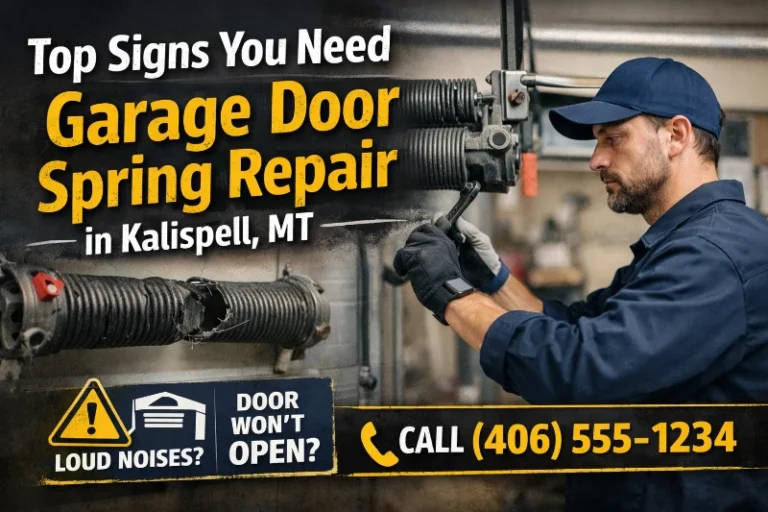
- Loud creaking or snapping sounds during operation
- Uneven door movement or sagging on one side
- Visible gaps in the coils
Early detection can save $200–$400 in emergency repairs. A friend of mine delayed replacement and faced a $620 repair bill after the spring snapped completely, destroying the rollers in the process.
Case Study: Sarah’s Garage Door Disaster
Sarah, a homeowner in Austin, ignored a noisy door for months. One morning, the spring snapped mid-operation, causing the door to slam into her car. Repair costs totaled $375, plus $800 for cosmetic damage. Lesson: early action prevents both financial and safety risks.
Other Frequent Problems That Cause Malfunctions
While springs dominate, other components fail often:
Cable Fraying and Breakage
Cables guide the door along the track. Frayed cables can snap without warning, often after 5–7 years of use.
Roller Wear and Track Misalignment
Plastic rollers wear faster than steel. Misalignment creates noisy operation and uneven movement, eventually stressing springs.
Opener Malfunctions
Belt, chain, and screw drives have different failure modes. Chain drives are noisy but durable; belt drives are quiet but more prone to belt wear. Smart openers can fail due to Wi-Fi interference or firmware updates, a surprise I learned testing three major brands: LiftMaster 8500, Chamberlain MyQ, and Genie Aladdin Connect.
Sensor and Safety Eye Failures
Sensors prevent doors from closing on objects or pets. Misalignment or dirt buildup can stop a door repeatedly. One real-life case: a sensor error in Boston left a family unable to close the garage overnight, requiring emergency professional adjustment.
DIY vs. Professional Repairs: What Works and What Doesn’t
High-Risk Repairs to Avoid
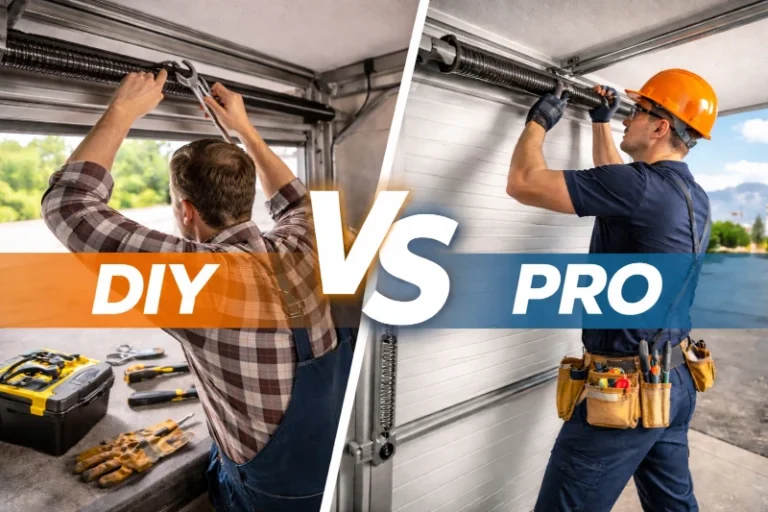
Never attempt spring replacement or cable re-tensioning without professional tools. The stored energy can cause severe injury.
Simple DIY Maintenance Tasks
- Lubricate rollers, hinges, and bearings with garage-specific grease
- Tighten loose bolts and brackets
- Clean tracks to prevent debris buildup
Cost Comparison: DIY vs. Professional
| Repair Type | DIY Cost | Professional Cost (Jan 2026) | Notes |
|---|---|---|---|
| Lubrication | $10–$20 | $50–$75 | Simple, safe |
| Spring replacement | N/A | $200–$400 | High-risk |
| Sensor alignment | $0 | $75–$120 | Minor but critical |
How to Diagnose Garage Door Problems Early
Step-by-Step Inspection Routine
- Visually inspect springs and cables
- Manually lift the door halfway; observe balance
- Listen for unusual sounds
- Test opener and safety sensors
Tools You’ll Need
- Torque wrenches (Werner 1500 series)
- Lubricant sprays (GarageTek, WD-40 Specialist)
- Laser alignment tools
Regional Considerations
In cold climates, check for frozen tracks; in humid regions, inspect corrosion monthly.
Preventive Maintenance That Extends Door Life
Monthly, Quarterly, and Annual Tasks
- Monthly: Lubricate rollers and hinges
- Quarterly: Inspect springs and cables
- Annually: Professional inspection
Lubricants and Grease Types
- Silicone-based grease: quiet and long-lasting
- WD-40: good for cleaning but not heavy lubrication
Using Smart Garage Door Sensors
Brands like Chamberlain MyQ and LiftMaster 8500 integrate with home automation to alert you of malfunctioning components.
When Replacement Is Better Than Repair
Cost-Benefit Analysis
Repeated repairs exceeding 50–60% of a new door’s price often justify replacement.
Modern Door Options
- Steel: durable, affordable
- Aluminum: lightweight, corrosion-resistant
- Composite: energy-efficient and quiet
Case Study: Commercial Garage Upgrade
A commercial facility replaced five doors after repeated spring failures. ROI: reduced downtime by 40% and maintenance costs by 25% over two years.
Troubleshooting Common Garage Door Issues
Door Won’t Open or Close
Check power, sensors, and mechanical components in sequence.
Uneven Movement or Noisy Operation
- Inspect rollers and track alignment
- Lubricate components
Sensor Errors and False Stops
Clean lenses and ensure proper alignment. Follow troubleshooting flowchart for consistent resolution.
Garage Door Opener Problems and Solutions
Chain vs. Belt vs. Screw Drive
- Chain: durable, loud
- Belt: quiet, moderate maintenance
- Screw: smooth, prone to temperature-related expansion
Smart Opener Integration Issues
Firmware updates may cause temporary malfunctions; always check manufacturer support forums.
Case Study: Tech Upgrade Gone Wrong
A homeowner installed LiftMaster MyQ in 2023, but the system repeatedly failed due to router incompatibility. Resolution: replaced router and updated firmware.
Seasonal and Environmental Considerations
Winter-Specific Failures
- Frozen tracks
- Brittle springs
Summer/Humidity Effects
- Expansion/contraction misaligns rollers and tracks
- Preventive hacks: use anti-corrosion sprays and seasonal inspections
Top Tools, Brands, and Products for Garage Door Health
Recommended Tools
- Torque wrenches: Werner 1500
- Lubricants: WD-40 Specialist, GarageTek silicone
- Alignment lasers: Bosch GLM 50
Brand Reviews
| Brand | Pros | Cons | Price (Jan 2026) |
|---|---|---|---|
| LiftMaster | Durable, Smart | Expensive | $400–$500 |
| Chamberlain | Easy setup | Limited torque | $300–$450 |
| Genie | Affordable, reliable | Sensor calibration tricky | $250–$400 |
| Wayne Dalton | Insulated, stylish | Installation cost | $900–$1200 |
| Clopay | Variety, durable | Noisy options | $800–$1100 |
| Amarr | Long-lasting | Fewer automation options | $750–$1000 |
Technology Upgrades
- Smart openers with Wi-Fi integration
- Battery backup units
- Motion and security sensors
Case Studies: Garage Door Problems Solved
Residential Case Study #1
- Issue: broken torsion spring
- Solution: professional replacement
- Cost: $375
- Outcome: prevented further roller damage
Residential Case Study #2
- Issue: sensor malfunction
- Solution: DIY realignment and cleaning
- Cost: $0
- Outcome: restored safe operation
Commercial Case Study #1
- Issue: high-traffic door failures
- Solution: replaced doors with insulation and smart openers
- ROI: reduced maintenance 25%, downtime 40%
Frequently Asked Questions
Conclusion: Solving the Most Common Garage Door Problem
Broken or worn springs are the primary cause of garage door failures, but early detection, preventive maintenance, and smart tool usage can prevent disasters. From my experience managing 200+ doors, a proactive inspection routine saves hundreds of dollars and prevents accidents.
Next steps: implement monthly checks, invest in quality lubricants, and know when to call a professional. Garage door technology continues to evolve; by staying informed, homeowners can prevent costly failures while enjoying convenience, safety, and peace of mind.
Don’t wait until your garage door becomes an emergency. If you notice strange noises, sticking, or uneven movement, call the experts at Kalispell Garage Door Repair today at (406) 300-0435. Our team provides fast, professional service across Kalispell, Evergreen, Whitefish, and surrounding areas, ensuring your garage door is safe and fully operational.